
Power moves: How innovative facilities turn their utility into a strategic growth partner.
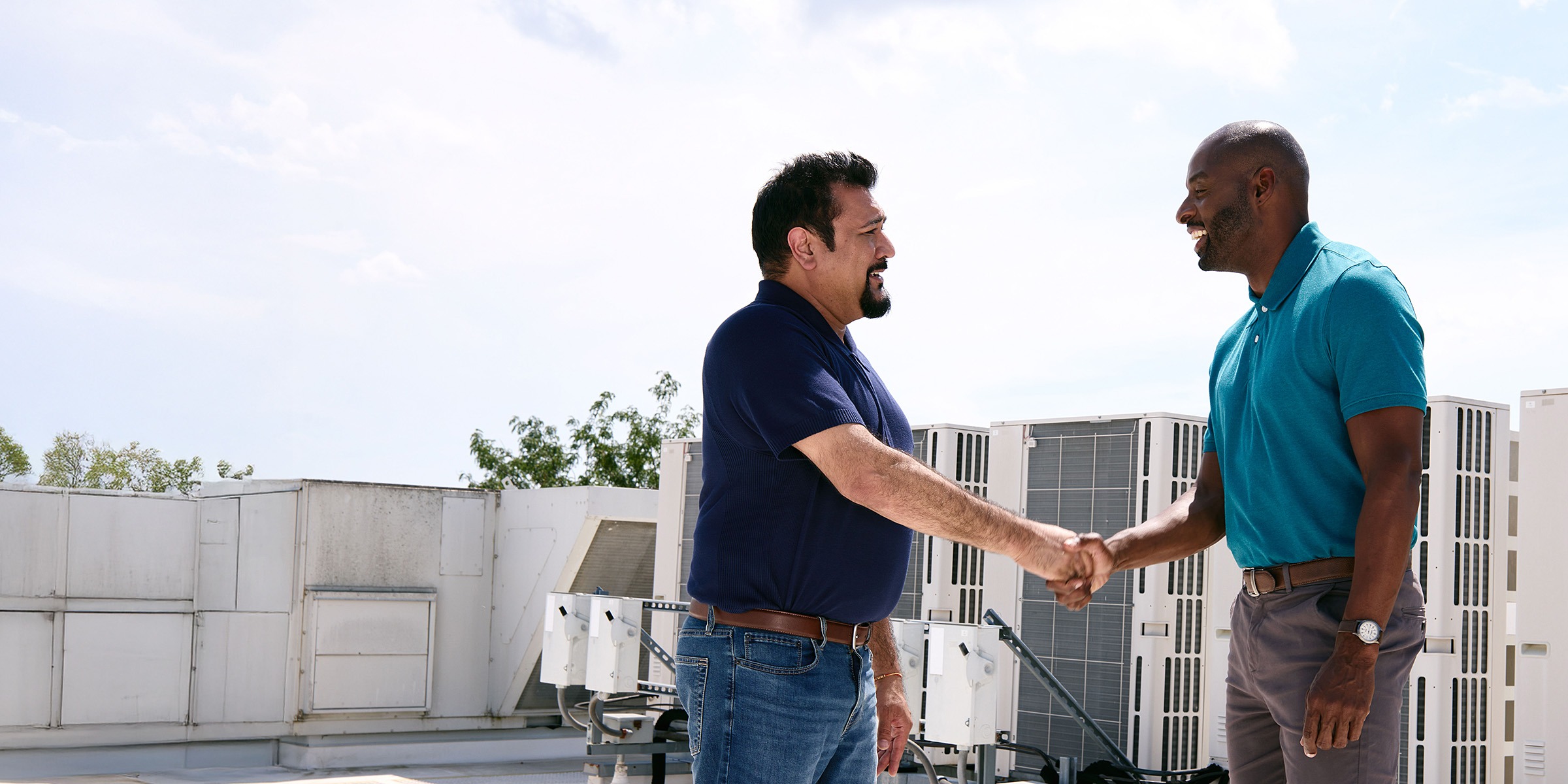
Stop thinking of your local power company as just another bill to pay. Start thinking of them as one of your competitive advantages.
Rethink what your utility can do for you.
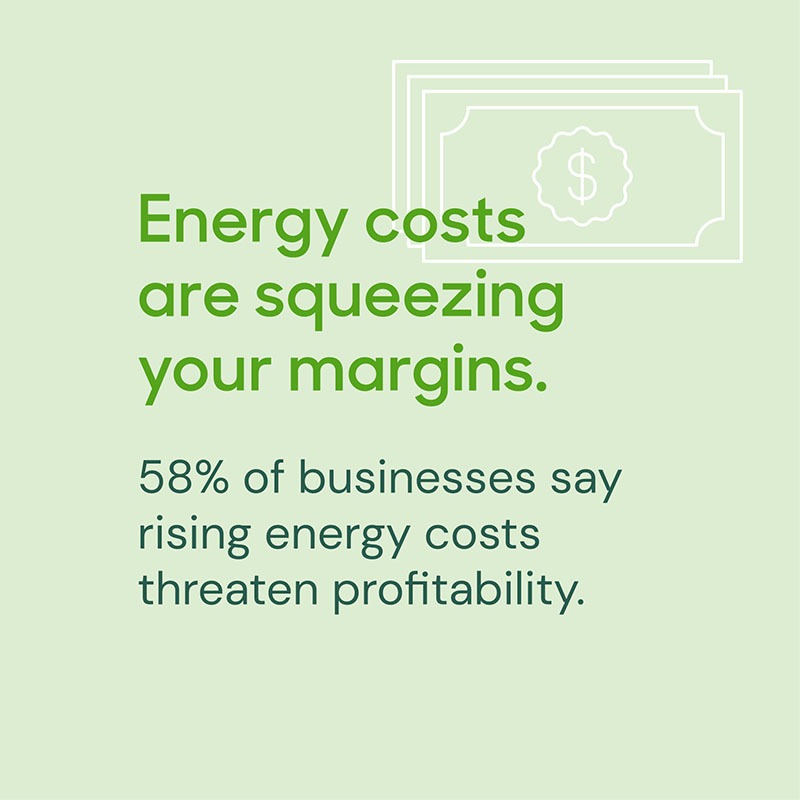
In today’s high-stakes operational environment, energy is more than a line item — it’s a strategic lever. But most facilities treat their local power company (LPC) as a background vendor.
What if, instead, you treated them like a growth partner?
Stop overlooking your most powerful business ally. From infrastructure planning to incentive stacking, your LPC can help you cut costs, boost performance and future-proof your operations. And yes — sustainability often comes baked in.
Step 1: Bring them in early, before growth becomes a challenge.
If you’re scaling, shifting or modernizing operations, your energy needs are changing — fast.
The smartest move? Loop in your LPC before you break ground or expand your process lines.
LPCs like Middle Tennessee Electric (MTE) have helped major industrials like General Mills avoid costly redesigns and power bottlenecks by modeling future load growth, flagging infrastructure gaps and helping shape more innovative expansion plans from the start.
Robert White, VP of Community Relations & Member Services for MTE, explains, “We helped General Mills integrate a 1.6 MW anaerobic digester. We were at the table from the beginning, and that helped them avoid obstacles later.”
Source: deloitte.com; energy.gov
Step 2: Tap into incentives you didn’t know you had.
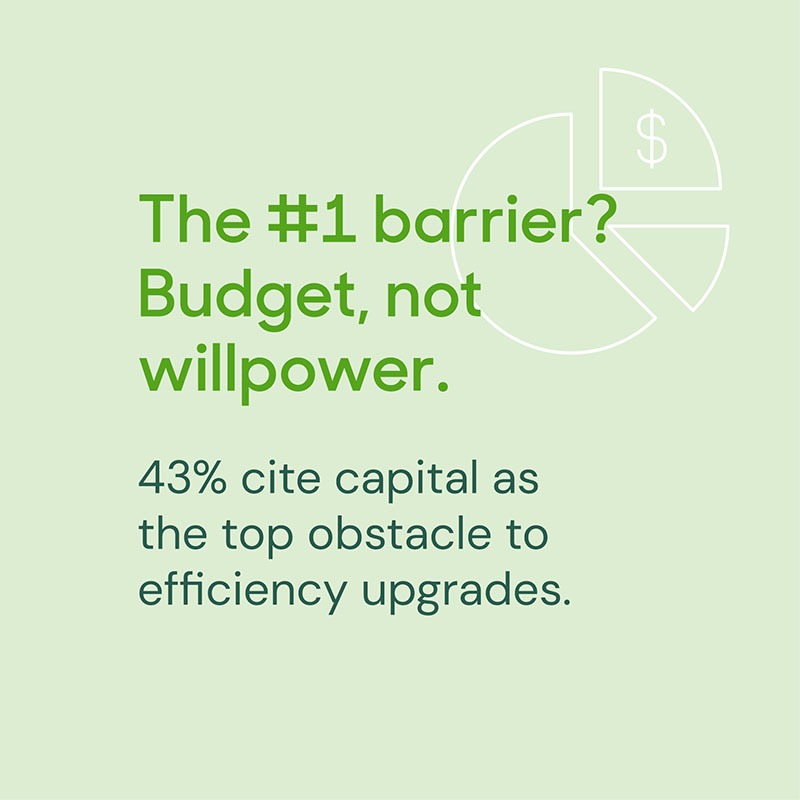
Efficiency upgrades can deliver fast ROI, and in the Tennessee Valley Region, LPCs in partnership with TVA EnergyRight are willing to help you pay for them. The trouble is, too many businesses leave those dollars on the table.
From LED lighting incentives and HVAC incentives to refrigeration incentives and advanced building controls, your LPC may offer:
- Rebates that reduce capital expenditures.
- Demand Response programs with payments to reduce peak load costs.
- Shared-risk pilot programs for new technologies.
Vanderbilt University Medical Center, for example, received a $243,000 TVA EnergyRight incentive through Nashville Electric Service (NES), which is now delivering $200,000+ in annual savings.
Source: EnergyRight.com
Step 3: Use utility data to benchmark, optimize and scale.
Your LPC has visibility across sectors, regions, and use profiles. That means they know what “good” looks like — and where your facility may be falling short.
“We can bring benchmarking data to the table. That’s the power of working with an LPC that knows the territory,” says Brent Baker, EVP and Chief Operations and Innovation Officer, NES.
By sharing load data and operational goals, you can uncover:
- Inefficiencies you didn’t know existed.
- Time-of-use strategies to reduce spend.
- Long-term energy models that align with your growth targets.
Source: energy.gov
Step 4: Reduce the risk for big ideas with a technical ally.
Innovation always carries risk — but your LPC can help you sell it to your team and manage it.
Whether you’re exploring on-site generation, EV fleet planning or battery storage, utilities can support you with:
- Interconnection guidance.
- Reliability modeling.
- Regulatory navigation and incentive layering.
General Mills has achieved net-zero Scope 2 emissions globally. With help from MTE, they integrated a 1.6 MW generator powered by yogurt waste — an anaerobic digester that cut emissions and costs while increasing energy independence.
General Mills achieved net-zero Scope 2 emissions globally.
Source: energy.gov
Step 5: Make energy efficiency your competitive advantage.
Sustainability might sound like a buzzword — but in practice, it’s often the byproduct of smart, forward-thinking business decisions. And energy efficiency? It’s not just about cutting costs. It’s about building resilience, boosting productivity, and unlocking long-term value.
When you partner with your LPC to optimize systems or reduce reliance on fossil fuels, you’re not just reducing overhead, you’re:
- Strengthening your operational reliability.
- Improving safety and performance metrics.
- Reinforcing your long-term competitiveness.
Whether you run a manufacturing plant or a university campus, every efficiency upgrade is an investment in your facility’s ability to scale, adapt and thrive.
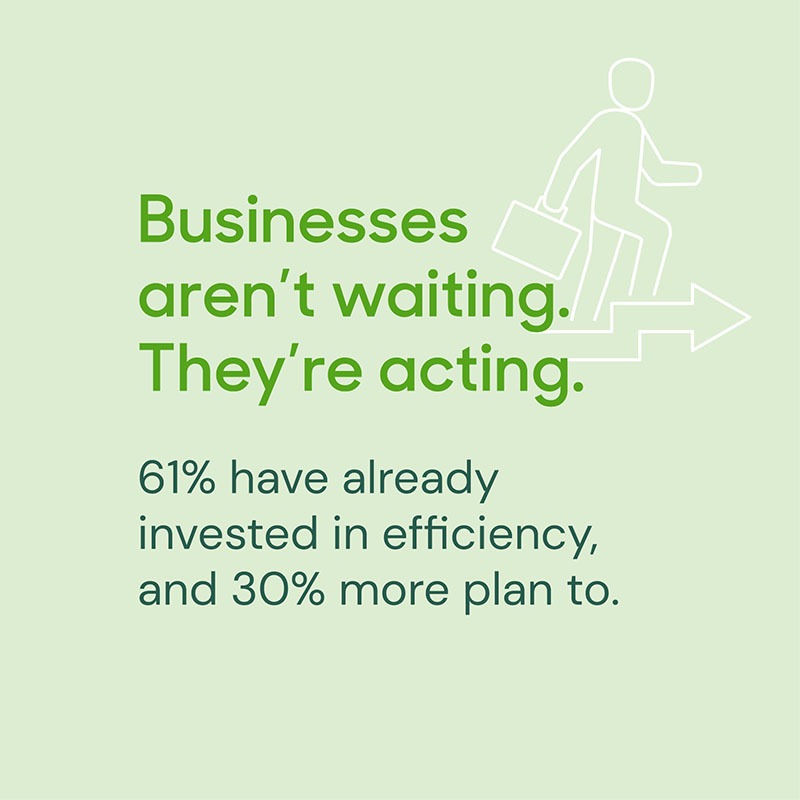
According to the EEM 2024 Energy Efficiency Investment Survey, 24% of annual operating costs for businesses go to energy.
Source: EnergyRight.com; energyefficiencymovement.com
Final thought: Loop them in early. Lean on them often.
Before you call your engineer, contractor or architect, call your local power company.
They’re already invested in your success. And when you treat them like a strategic partner, not just a service provider, the benefits ripple across your operations — from budget to resilience to bottom line.
Learn how TVA EnergyRight and your LPC can support your next project. Explore current incentives and energy solutions for your facility.
Calling all junior detectives! Use your sleuthing skills to spot sneaky leaks.

Is it a GHOST or a drafty window? Did a BLACK CAT just cross your path, or is there a breeze sneaking in under a door? Is your bedroom HAUNTED, because it’s always chilly — even when the heat’s on? If any of this sounds familiar, there may be energy mysteries in your home — and YOU can help solve them.

Here’s what you’ll need in your energy sleuth’s detective kit:
- Post-it notes (Write: “BOO! An energy ghost lives here!” on at least 12 of them)
- Craft feathers (the feathery the better!)
- Flashlight
- Thermometer (optional, for comparing room temps)
Ready for your first mission? Grab your energy sleuth’s detective kit and your grown-up because we’re going on a home energy ghost hunt.
Mystery #1: The ghost in the window.
Windows let you keep a friendly eye on the world outside, but sometimes they let in more than you’re bargaining for.
DETECTION: On a windy day — the windier the better! — grab the lightest feather from your kit. Very slowly move the feather around the edges of every window in your house. It’ll help you detect unwanted airflow around window frames, doors, baseboards, electrical outlets, crawlspaces, registers, and attic doors.
When your feather is “tickled” you’ve found a draft ghost! Sound the alarm (we recommend a ghoulish howl) and mark it with a BOO note.
Fresh out of feathers? Run your hand under cold water and you’ll be able to feel the ghostly drafts for yourself!
SOLUTION: For a low-cost fix, your grown-up partner can use clear weatherstripping or a window insulation kit to seal the gaps and keep warm air inside. For more hot tips on air sealing and insulation, be sure to check out this article!
Mystery #2: The case of the chilly door.
DETECTION: Make a list of all the doors in your home — front door, back door, sliding door, side door. Do any of them feel colder near the bottom? Can you see light coming in around the edges? Take a piece of paper and close it in the door. Then, try pulling it out. If it slides out easily, air is probably slipping through there, too!
SOLUTION: Add a door sweep or a rolled-up towel to block the draft. Feeling crafty? You can make and decorate your own “draft snake.”
Mystery #3: The clue of the cold floor.
DETECTION: On a chilly day, take your socks off — if you dare! — and walk around your home. Pay extra close attention to areas where your toes feel chilly. If you feel a cold spot, mark it with a BOO note.
SOLUTION: Ask your grown-up if you can help them pick out a few area rugs. You can even grab your flashlight and head down to your basement or crawlspace to look for leaks. Insulation and air sealing can help stop chilly floors.
Mystery #4: The secret of the whistling outlets.
Did you know cold air can sneak in through electrical outlets? Especially on outside-facing walls!
DETECTION: On a windy day, place the palm of your hand gently over light switches or outlets near exterior walls. Feel a tickle of air? That’s a hidden leak! Mark it with a BOO note.
SOLUTION: Encourage your grown-ups to take you on a field trip to your local hardware store to buy outlet gaskets. These inexpensive insulating foam pads go behind outlet covers — they’re easy to install and super helpful.
Explore the TVA EnergyRight’s residential website and blog for more great energy efficiency tips.
7 energy efficiency tips for renters.

Here are 7 ways to stay warm and save money on utility bills (while keeping your landlord happy).
Energy efficiency for renters — and staying warm and comfortable in colder months can be tricky. As a renter, you may not be able to control your home’s insulation, heating, or windows. However, you can save money on energy bills!
Here are 7 proven energy-saving tips that are good for renters and landlords. These budget-friendly ideas will help make your rental home feel cozy and energy efficient.
1. Start with a draft check
Before you make any changes, take a few minutes to stroll through your home and feel for drafts. Here are a few common problem areas you’ll want to investigate:
- Attics and crawlspaces (and their hatches).
- Window frames, panes and sashes.
- Door jambs, sills and windows.
- Plumbing and electrical penetrations.
- Dishwasher and refrigerator connections.
- Baseboards and where walls meet the ceiling.
- Electrical outlets and vent registers.
- Recessed lights, vents and fans.

You can either use the “damp hand” or “incense trick” to test for drafts. For the first option, run your hand under cold water and then hover it slowly around the problem areas mentioned above. Or, you can light a stick of your favorite incense and hold it near the problem areas mentioned above. If the smoke wavers or pulls, you’ll have found a leak.
2. “Seal and peel” or make your own “draft snake.”
Doors and windows are two of the biggest air leak offenders. Fortunately, they’re also pretty easy to tame.
If your landlord doesn’t want to install new windows or permanent weather stripping, you can use a removable “seal and peel” caulk. This caulk makes a temporary, airtight seal around leaky windows and doors. You can easily apply it and remove it without damaging paint or door surfaces.
And whether you’re feeling quick or crafty, you can create your own draft stopper — or “draft snake” for window sills, baseboards and doors. A rolled-up towel works great if you’re in the quick camp. If you’re the crafty type, spend a few moments searching for inspiration.

3. Seal your panes with shrink window film.
Single-pane windows are common in older rental homes and apartments. They can let a lot of warm air escape and cold air come in.
That’s where seal and shrink window film comes in. Most kits include double-sided, removable tape. To complete the job, you only need scissors and a hair dryer. These kits use clear plastic film that you tape around the window frame, cut to size and shrink tight with a hair dryer.
The film improves energy efficiency by reducing drafts. Plus the kits are easy on paint and even easier to remove in spring when you feel like flinging your windows open.
If you’re not up for installing film, thermal curtains or layered drapes can also help reduce heat loss — especially at night. Just be sure to open them during the day to let sunlight warm your space naturally.
4. Plug up outlet and switch leaks
You might be surprised, but cold air can come in through gaps around electrical outlets and light switches. This is especially true for outlets on outside walls.
You can block this airflow with foam outlet insulation gaskets or socket sealers. They’re super easy to install and cost just a few dollars per pack. Simply unscrew the outlet cover, place the gasket behind it, and screw the cover back on.
Looking for FREE outlet insulators? They’re included in your free energy-saving kit when you complete a free DIY Home Energy Assessment.

5. Put a blanket on … your floor.
If your home has hardwood flooring, a quick way to insulate (and keep your tootsies warm) is by placing area rugs in high-traffic or frequently used areas like your living room or bedroom. Think of them as a cozy blanket for your floors.
Not only do area rugs help your feet stay warm, but they can also help reduce heat loss through the floor — especially if your rental is above an unheated crawlspace or basement.
6. Take it down a degree or two.
If your home has a smart or programmable thermostat, be sure to take advantage of it. If they don’t, talk to them about installing a smart thermostat, which can help reduce energy costs even more. If you have a smart thermostat (or have approval to install one) be sure to check out Smart Thermostat Rewards.
You can layer up and set your thermostat to 68° F. You can even set it lower when you are away or cozy under quilts in the evening. If that feels too cool, try to set your thermostat just a degree or two cooler than you might consider your ideal temperature.
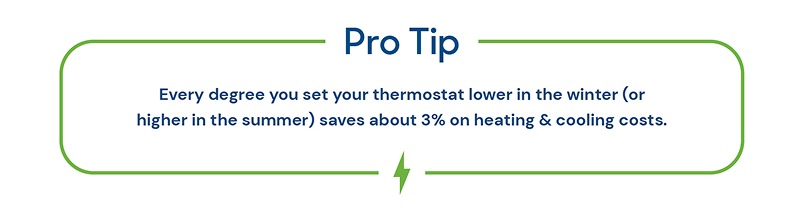
If your space has room-specific heaters, close doors and heat only the rooms you use most often.
7. Take a FREE DIY home energy assessment.
Discover all the ways your rented home is using (or losing) energy with our free DIY Home Energy Assessment. Plus, you’ll receive an energy-saving kit and a $10 home improvement store gift card in the mail within four to six weeks.
Looking for more great ways to save on energy costs? Be sure to check out this article for more no-cost tips.
26 ways to boost your home’s energy efficiency in 2026

Anytime is the right time to try out new energy-saving habits and play with new energy-saving gadgets. That’s why we’re happy to share 26 ways to boost your home’s energy efficiency (and help keep a little extra cash in your back pocket).
Whether you rent or own your home and need no-cost or low-cost DIY ideas or you’re ready to invest in long-term home energy upgrades, TVA EnergyRight® is here to help you get started — and keep the energy savings going all year long.
In honor of the new year, we’ve rounded up 26 ways to boost your home’s energy efficiency in 2026 — let’s jump in!
(NOTE: This blog was originally published on December 19, 2023 and was revised in 2025. It has been updated for 2026.)
Boost your home’s energy efficiency with these easy energy-saving wins!
1. Take our free DIY Home Energy Assessment.
Answer questions about your home’s current energy use, and at the end of the assessment, you’ll gain access to a personalized dashboard with energy improvement recommendations tailored to your home.
You’ll also receive a free energy-saving kit and a $10 home improvement store gift card in the mail within 4-6 weeks. Take the assessment right now!
2. Check out our home energy rebates.
From HVAC systems to air sealing and insulation, home energy rebates from TVA EnergyRight and your local power company increase the affordability of upgrades that lower utility bills and boost your indoor comfort. Explore rebates.
3. Add calendar reminders for recurring energy-saving tasks.
Sometimes the hardest thing about saving energy isn’t the task itself … it’s remembering to do it! For recurring events, like changing your air filter at least once every three months, add them to your calendar and enjoy having one less thing you have to remember.
4. Enroll in TVA’s Green Switch program.
For as little as $2 a month on your electric bill, you can support 100% solar energy sourced directly from the Tennessee Valley. Enroll in Green Switch today.
5. Set the mood with smart LED bulbs
Level up your LED game this year with smart LED bulbs. You’ll have fun programming your lights to greet you (turn on automatically) when they detect motion, aligning brightness to circadian rhythms, selecting custom colors — and control them all via an app or voice command.
Heating your home and keeping clean air flowing.
6. Sign up for Smart Thermostat Rewards
ENERGY STAR® reports that you can save an average of 8%-10% on your heating and cooling costs using a smart thermostat. Find out if your local power company is participating in Smart Thermostat Reward and you can save even more!
7. Turn the thermostat down a few degrees.
Heating your home makes up a big chunk of your monthly energy bill. You can save as much as 10% a year on heating and cooling by turning your thermostat down 7°F – 10°F for 8 hours a day in the fall and winter. So, find your favorite blanket and some cozy socks to start saving energy today!
8. Get your duct system professionally cleaned.
Keep clean air flowing, uncover cracks or holes in ductwork and increase the efficiency of your HVAC system when you get a professional duct system deep clean. Don’t know who to hire? Try a TVA-vetted contractor from our Quality Contractor Network. Find your next contractor.
9. Schedule an HVAC system tune-up.
Is your heating system electric? Don’t get stuck in a chilly (or even life-threatening) emergency situation this winter. Knock out your HVAC tune-up now with a $50 rebate. (Gas heat? Get your $50 rebate in the spring with an air conditioner tune-up.) Explore rebates.
10. Uncover any blocked air vents.
If there’s anything blocking your air vents — a couch, a bed, rugs, drapes, an entertainment center — it’s going to make your HVAC system work harder to keep a controlled temperature. You want unobstructed vents for maximum airflow and maximum energy savings.
11. Weatherstrip doors and windows.
A little gap here, a little gap there — those spots around doors and windows where air sneaks in and out are a bigger deal than you might think. Even a 1/8-inch gap around the entryway of a door is equivalent to drilling a 5-inch hole through the outside wall! Seal everything up with caulk and weatherstripping.
12. Kick dust bunnies to the curb.
Ductwork, bathroom exhaust fans, the back of your refrigerator — these not-so-obvious spots can be a haven for dust bunnies. All that dust makes your appliances work harder, increasing your energy bill and adding unnecessary extra wear and tear.
Saving energy in the kitchen.
13. Use the dishwasher instead of washing dishes by hand.
An ENERGY STAR® dishwasher uses less than 4 gallons of water total per cycle compared to washing dishes by hand, which uses 4 gallons every 2 minutes! If you have an energy efficient dishwasher, then it doesn’t need to be full before you run it.
14. Skip the pre-rinse.
The energy efficiency of dishwashers has come a long way, and so has the cleaning power of dishwashing detergents. In fact, quality dish detergents can’t effectively do their job if they don’t have anything to cling to. Food scraps still need to go into the garbage or compost, but skip the pre-rinse and you’ll save water and electricity. (Tip: If you forgo the pre-rinse, you may need to clean out your dishwasher’s filter a little more often. Consider setting a reminder to clean the filter once a month.)
15. Clean the refrigerator grill and coils.
A buildup of dust and debris behind and under your refrigerator will make it less energy efficient. Vacuum and wipe down your refrigerator grill (the slatted piece below the doors or freezer drawer). Carefully remove the grill and vacuum under the refrigerator. Then, head to the back of the appliance and look for a metal panel. Unscrew it and gently vacuum the coils before reattaching the panel.
16. Pull the refrigerator slightly away from the wall.
Your refrigerator needs room in the back so air can circulate and the heat it generates has space to dissipate. Make sure there are about 2 inches between the refrigerator and the back wall.
17. Keep your freezer full and avoid overfilling your refrigerator.
A full freezer traps cold air, and a full, but not-too-full, refrigerator means air can flow and your items will stay cold.
18. Clean the oven and stovetop.
A dirty stove has to work harder to heat itself, and that’s going to drive up your energy costs. Grab some inexpensive oven degreaser spray and give the inside of your oven a good wipe down, including the bottom where grease and food can collect. Don’t forget the cooktop, especially if your appliance has burner drip pans.
19. Match pot and pan sizes to burner sizes.
Large burners use more energy. A too-small pot or pan on a large burner means you’re heating space with nothing on it and burning up easy savings.
Saving energy on technology
20. Unplug small appliances when they’re not in use.
Curling irons, electric razors, the air fryer and coffee pot — if you’re only using an item for a brief period of time each day, power it all the way down when you’re done and unplug it from the outlet.
21. Buy a smart power strip.
A device in standby mode is still using energy. A smart power strip detects when a device has gone into standby mode and cuts power to the device.
22. Take time off from tech.
Pick one night a week to go screen-free. Substitute TV, tablets and video games with activities that use less energy (and are maybe just as fun?) like board games, puzzles and books.
Saving energy on laundry
23. Air-dry laundry.
If the idea of a backyard clothesline seems like a stretch, take a quick spin around some of your favorite online stores and you’ll find dozens of stylish and affordable indoor clothes drying racks.
24. Clean the dryer vent.
A full lint trap makes your dryer work harder, and it’s also a fire hazard. Empty the lint trap after every dryer use. Twice a year, clean the full dryer vent, the part that extends from the back of your dryer to the outside of your home. This is especially important if your dryer stays in heavy rotation and/or you have furry pets.
Two for the road.
25. Rent or buy an e-bike.
Put some power behind the pedals. This won’t necessarily boost your home’s energy efficiency but it’s worth mentioning here! E-bikes give you all the fun of a traditional bicycle with less physical effort thanks to the added boost of battery power. Leave the car at home, save on fuel and head out for an adventure.
26. Try out mass transit.
Next time you’re headed to a concert, sporting event or even just a trip to the mall, hop on your area’s local public transportation. You’ll beat the traffic, save on the pricey parking and likely get to your destination for less than it would cost to drive there.
Whether you try one energy-saving tip, try all 26 or come up with more on your own, TVA EnergyRight and your local power company are here to help your boost your home’s energy efficiency and take the next steps toward a more energy-efficient home. Find even more resources at EnergyRight.com/Residential. Happy New Year!
How to beat the heat this summer: Smart energy-saving tips for your business.
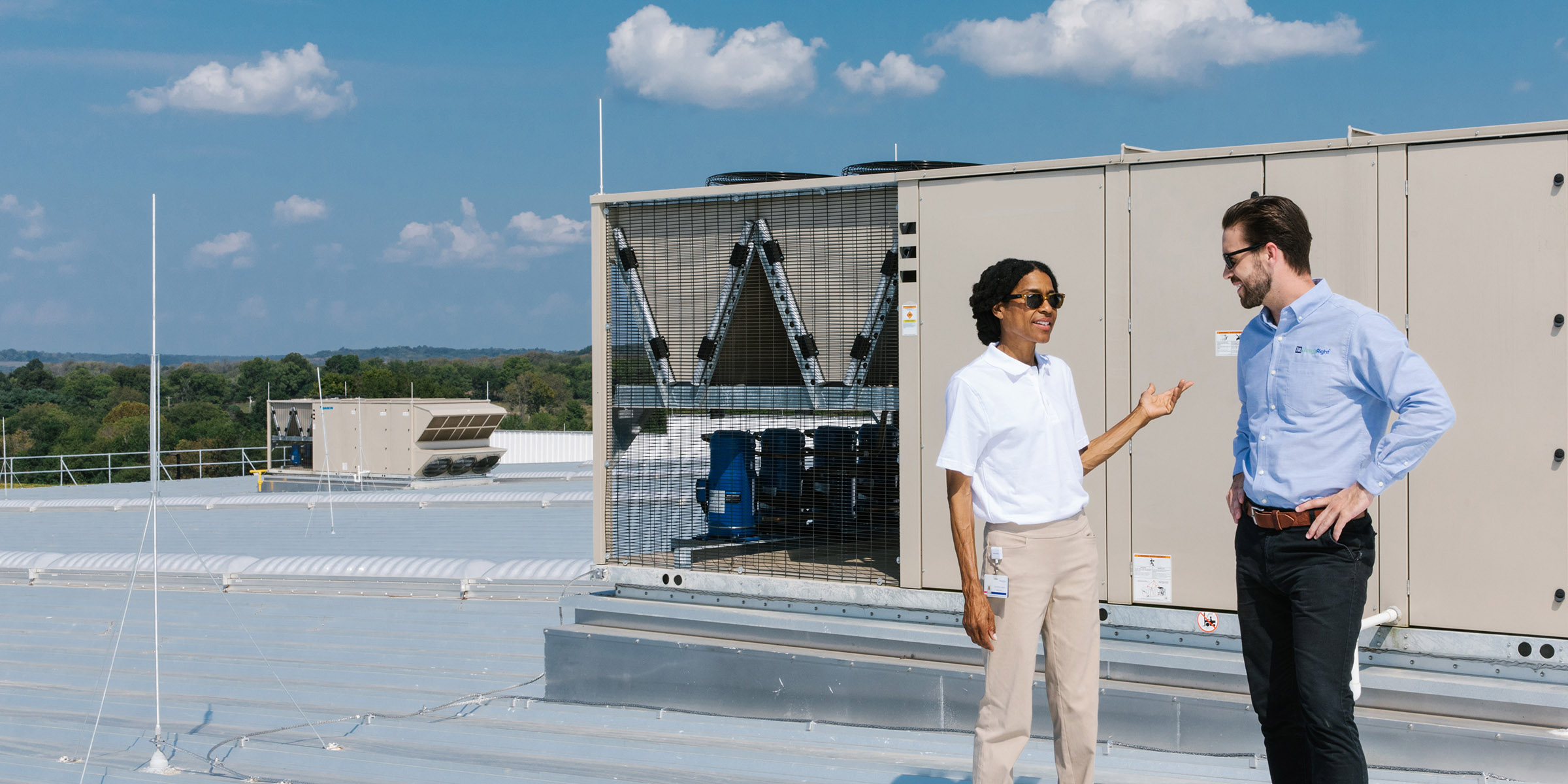
When the temperatures rise, so can your energy bills — but they don’t have to. With a few smart upgrades and efficiency moves, your business can stay cool without overheating your budget. Here are some energy-saving tips to reduce business energy use.

1. Tune up your HVAC system.
Your HVAC system works harder in the summer, which means small issues can turn into big energy drains. Schedule a seasonal inspection to check refrigerant levels, clean coils and replace filters. It’s one of the easiest ways to boost performance and cut unnecessary costs. Or check out our HVAC incentives, which can help you replace aging units while improving comfort and efficiency year-round.

2. Upgrade to smart thermostats.
Smart or programmable thermostats help you avoid cooling empty spaces. Set temperature schedules based on work hours and occupancy zones to ensure you’re only using energy when and where you need it.

3. Switch to energy efficient lighting.
Still using outdated bulbs? LED lighting uses up to 75% less energy and generates less heat than traditional lighting. That means your cooling system doesn’t have to work as hard either — a win-win in the summer months.
Check out our LED lighting incentives to learn more.

4. Take advantage of TVA EnergyRight® incentives.
From high-efficiency HVAC systems to lighting retrofits, TVA EnergyRight offers incentives to help businesses make smart upgrades.

5. Seal air leaks and improve insulation.
Warm air creeping in and cool air leaking out can quietly drive up your summer energy bills. Inspect doors, windows and ductwork for leaks and add weather stripping or insulation where needed. Sealing up your space keeps cool air in, hot air out and your HVAC system from working overtime.
Stay cool and stay ahead.
Getting your business ready for hot weather doesn’t have to be complicated or costly. With these energy-saving tips for businesses, you can reduce energy costs and keep your operations running efficiently all season long.
Not sure where to begin?
Connect with a TVA Energy Expert to get started.
Energy efficiency for business: the overlooked growth strategy you can’t afford to ignore.

When you think about growing your business, energy efficiency probably isn’t the first thing that comes to mind. But what if it should be?
Whether you’re running a boutique, a print shop, a restaurant or a commercial office space — every dollar counts. Energy efficiency isn’t just about cutting costs. It’s a smart strategy that frees up resources, improves your space and sets your business up for long-term success. Here’s how thinking differently about your energy use could fuel your next big move.
1. Every dollar saved is a dollar to reinvest.
Let’s start with the obvious: trimming energy waste cuts costs. But the real opportunity is what you can do with those savings.
Lower utility bills mean more budget flexibility to reinvest in things that drive growth, like marketing, staffing, equipment, or expanding your product line. And thanks to TVA EnergyRight®, those upgrades don’t have to wait. With cash incentives for things like LED lighting and HVAC improvements, your payback period gets even shorter.
For example, a retail shop that replaces outdated lighting with LEDs could reduce energy use by up to 75%. Combine that with TVA incentives, and those savings could help cover a new POS system, signage or digital advertising campaign.
Explore TVA lighting and HVAC incentives.
2. Energy efficiency for business builds resilience.
The past few years have shown how quickly things can change—utility costs rise, supply chains strain and margins shrink.
Recent data from the report, “From Insight to Implementation: Business Perspectives on Energy Efficiency Investments,” shows that energy accounts for up to 24% of annual operating costs for many businesses, and the percentage is continuing to climb.
Businesses that run more efficiently are better positioned to weather those storms. Reducing your energy consumption now can help you maintain stability, even when operating costs or external factors become unpredictable. It’s one more way to future-proof your business.
3. Customers care about sustainability.
Being energy-conscious isn’t just good for your bottom line—it’s good for your brand.
Today’s consumers are paying attention to how businesses operate. Whether you’re serving a socially conscious Gen Z audience or local clients who care about community impact, small shifts in sustainability, like switching to efficient lighting or optimizing HVAC, can set you apart.
You don’t have to be a certified green business to make a difference. Highlighting smart energy moves on your website or signage helps show customers that you’re thoughtful, forward-thinking and part of the solution.
4. Comfortable spaces boost productivity.
Lighting and HVAC upgrades don’t just cut energy use—they make your space more enjoyable to work and shop in. Bright, natural-looking LEDs can enhance product displays and reduce eye strain. Efficient HVAC systems create more consistent temperatures and improve air quality. These improvements can boost employee productivity and create an atmosphere that encourages people to stay longer and spend more.
Switching to bright, natural-looking LEDs can significantly improve visibility, reduce eye strain, and create a more inviting environment for both customers and employees. According to the U.S. Department of Energy, LED lighting not only consumes up to 75% less energy than traditional bulbs but also improves visual clarity and color rendering — key for retail settings where product presentation matters. A well-functioning, energy-efficient HVAC system helps maintain consistent temperatures, reduces humidity, and improves indoor air quality. Poor indoor air quality is linked to headaches, fatigue, and reduced cognitive performance, which can impact employee productivity.
5. TVA EnergyRight makes it easy.
Investing in comfort isn’t just a feel-good move—it’s a business strategy that pays off. With TVA EnergyRight incentives available for lighting and HVAC upgrades, creating a better environment is easier and more affordable than ever.
The best part? You don’t have to do it alone.
In partnership with your local power company, TVA EnergyRight offers a variety of programs and incentives to help businesses upgrade their lighting, HVAC systems, and overall energy use, often with no pre-approval required, that reduce your upfront costs. Not sure where to start? Talk to a TVA Energy Expert, so you can identify the biggest opportunities to save.
Reach out to your local power company representative or click the link below to connect with a TVA Energy Expert today.
Powering progress: Five key energy management takeaways from the TVA Industrial Summit 2025
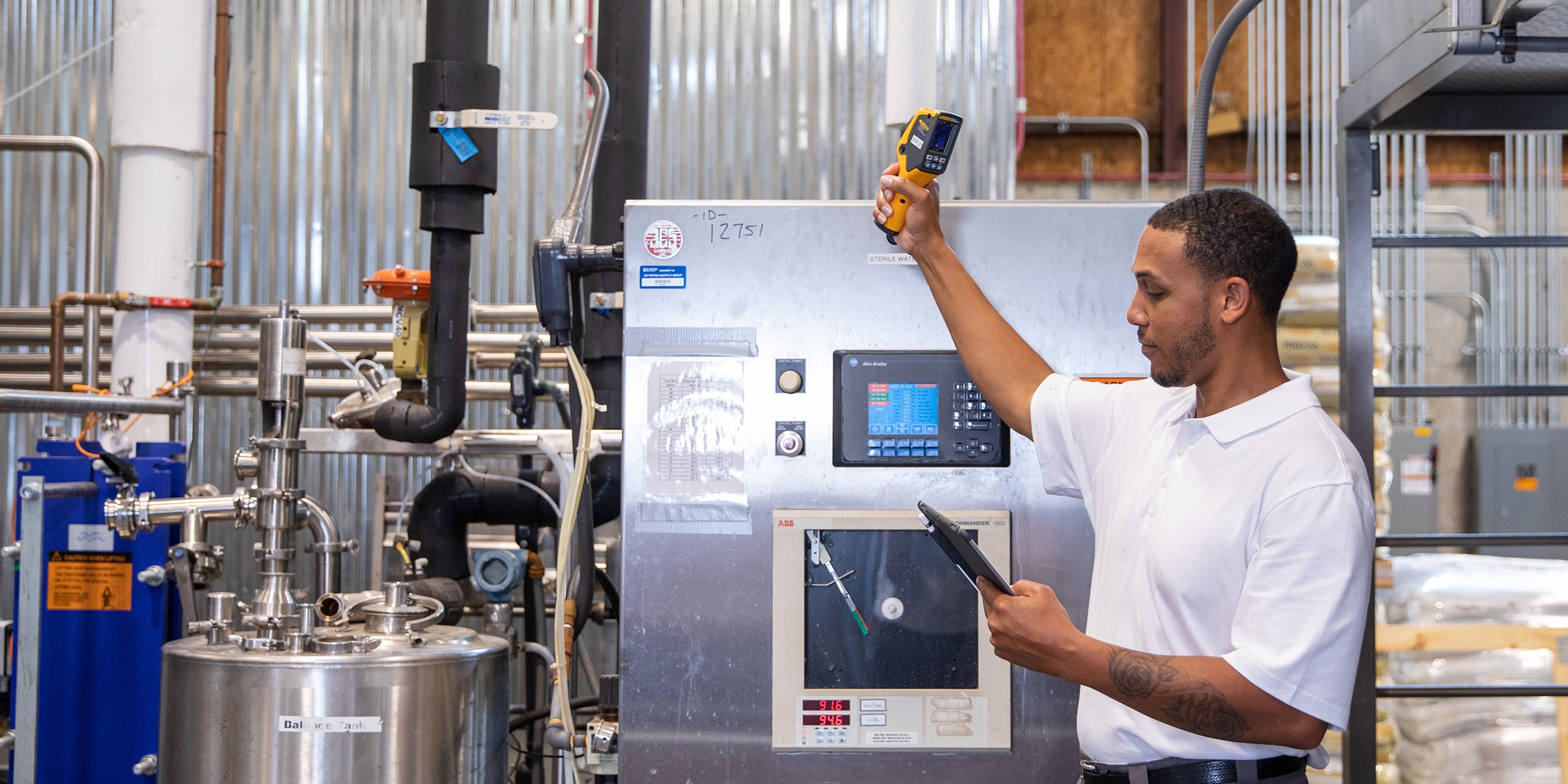
The 2025 TVA Industrial Summit brought together hundreds of energy leaders, facility managers, engineers and sustainability professionals from across the seven-state region to explore the power of industrial energy management, incentives and strategic approaches. Here are five key takeaways you don’t want to miss.
1. Incentives are a game-changer for industrial energy management projects.
TVA EnergyRight’s energy incentive programs are helping turn “maybe someday” projects into fully funded energy upgrades. Case in point: Goodyear received over $845,000 in TVA incentives, cutting more than 11 million kWh in energy use. Incentives don’t just reduce upfront capital costs—they also accelerate payback periods, expand project scope and create competitive advantages by enabling facilities to operate more efficiently than their peers.

Pro tip: Not sure where to start? Incentive upgrades that don’t require pre-approval, such as New Construction LED Lighting and HVAC, are one of the easiest ways to begin.
2. Strategic Energy Management (SEM) is the new business advantage.
Energy isn’t just a line item — it’s a resource you can manage. SEM helps businesses build a culture of continuous improvement by integrating energy-saving practices into everyday operations. Facilities that implement SEM see, on average, a 5-15% energy cost savings, along with better asset utilization, reduced downtime and increased employee engagement.
Case study: A Tennessee-based food processor saved nearly $60,000 by reducing refrigeration discharge, upgrading lighting, fixing compressed air leaks and launching a “Shut It Off” campaign.
3. Demand response = revenue opportunity.
Industrial facilities aren’t just reducing costs—they’re earning credits by participating in TVA’s Demand Response programs. With load growth accelerating, programs like PowerFlex reward facilities for curtailing energy use during peak demand.
Facilities with 5 MW of interruptible load could earn up to $568,200 in annual capacity credits and $48,000 in energy credits*. That’s real money back in your budget.
*Using current pricing for E5+C30 enrollment option. These credits reflect enrollment in 96 hours of capacity per TVA fiscal year. All credits listed are estimates for illustrative purposes only. Actual credit values will vary according to enrollment options selected.
4. Energy assessments make it easy to get started.
If you don’t have a dedicated energy team or you’re unsure where your biggest savings lie, TVA offers free energy assessments to help identify lighting, HVAC, refrigeration, compressed air and process improvement opportunities. The best part? TVA’s Preferred Partners Network can handle the work, from installation to incentive applications.
“The TVA incentive program provides us the opportunity to reduce our overall energy costs and identify future opportunities to control consumption.”
-Pat Jodon, Goodyear Plant Manager
5. Partnerships drive long-term success.
Whether you’re working with a TVA Energy Expert or connecting through your local power company, collaboration is at the heart of the industrial energy efficiency transformation. Events like the TVA Industrial Summit give leaders space to share strategies, troubleshoot challenges, and build partnerships that lead to real results.
Facilities that have completed SEM initiatives report millions in kWh savings and hundreds of thousands in energy cost reductions. One [state-based] furniture manufacturer saved over $600,000 by identifying air leaks, installing a capacitor bank, upgrading to LED lighting and replacing CO2 lasers.
Ready to take the next step?
TVA EnergyRight is here to help you unlock savings and performance in your facility. Whether it starts with an energy assessment or a strategic partnership, the resources are ready, and the support is built for you. Reach out to your local power company representative or click the link below to connect with a TVA Energy Expert today.
How to get a free commercial energy audit.

When you’re running a large facility, energy efficiency can fall lower on the priority list — until your energy bill spikes. That’s where TVA EnergyRight® steps in with a no-cost opportunity that can deliver real value: a free, engineer-led energy assessment for industrial and commercial customers.
If your business has an electric demand of 1 MW or more (or your power bill hits around $50,000 or more per month), you’re likely eligible. Here’s how it works — and how it can help you uncover energy-saving upgrades, reduce operating costs and make your facility more productive.
1. It’s free and customized for your facility.
This isn’t a generic audit. One of our TVA energy experts will assess your specific operations, looking for inefficiencies, outdated equipment and opportunities to boost productivity through energy improvements.
You’ll walk away with energy efficiency tips that include:
- Recommendations tailored to your facility.
- Estimated savings.
- A custom list of potential upgrades.
Request a free energy assessment today.
2. You’ll get connected with vetted contractors.
We connect you directly with professionals in our Preferred Partners Network (PPN) to bring your project to life. These contractors are already trained in our incentive process and energy efficiency standards, helping streamline your upgrade process from assessment to installation. If you already have a contractor on board, we’re flexible. We can also work with your contractor.
3. You may qualify for incentives to help pay for upgrades.
Here’s where things really pay off: Many of the upgrades TVA recommends come with incentives, often worth up to $3 million annually per company.
These may include:
- Up to $0.15 per kWh saved for qualifying custom energy-saving projects.
- $80 to $250 per ton for high-efficiency HVAC upgrades.
- $0.13 per kWh saved for lighting retrofits or $0.10 per kWh for new builds.
Check out our current incentives and explore your possibilities.
4. You’ll identify new ways to hit sustainability goals.
Whether you’re working toward ESG targets or just trying to cut operational waste, the energy assessment provides data and direction. Many participants use the recommendations as a launchpad for achieving long-term sustainability outcomes.
5. It’s fast, easy and built for busy teams.
You don’t need to prep a bunch of documentation or shut down production to get free energy efficiency tips. TVA’s assessment process is designed to be low-disruption, with a clear next-step path once the evaluation is complete.
Ready to start? Here’s how.
Getting your free commercial energy audit is simple. Even if you’re not sure of your exact demand, TVA can help you figure it out. It could be your first step toward major cost savings—and a smarter, more efficient operation.
Connect with a TVA Energy Expert to get started.
Will a smart thermostat save money?

Inquiring minds want to know! Will a smart thermostat save money? Can you really trim your energy bill with a smart thermostat?
Absolutely. And we did the data digging, so you don’t have to.
How will a smart thermostats save money? Let’s find out!
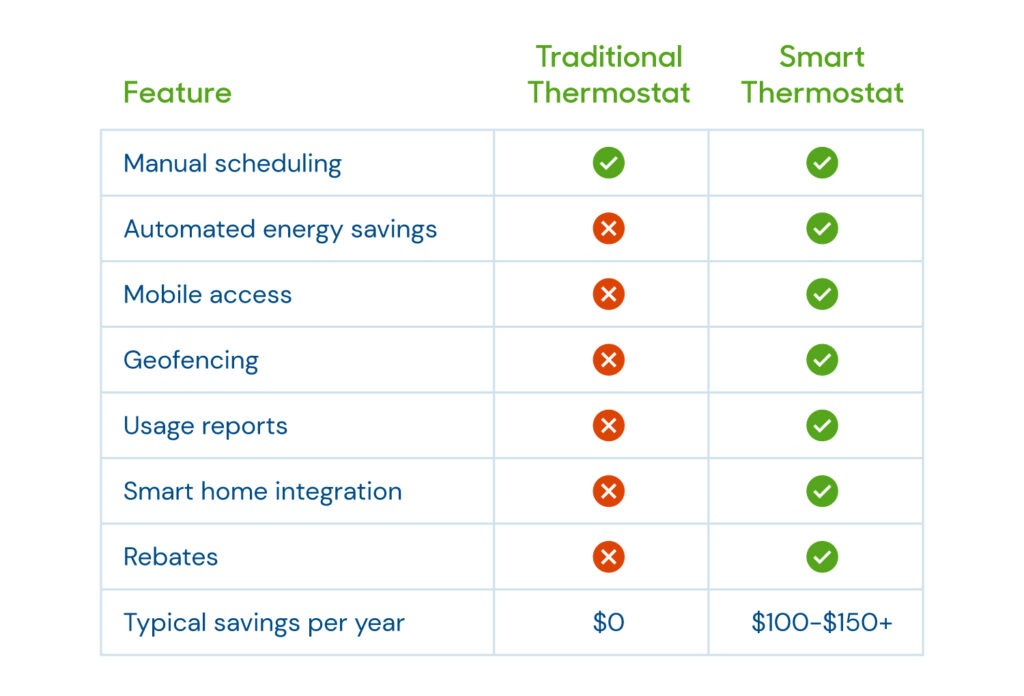
They learn how to reduce energy waste for you.
Wifi-connected smart thermostats use machine learning to understand when you’re home and what temperatures you prefer. Over time, they create a custom heating and cooling schedule that minimizes energy use when you don’t need it, making them far easier to use than a conventional programmable thermostat.

ENERGY STAR and U.S. News & World Report note that you can save an average of 8%-10% on your heating and cooling costs using a smart thermostat.
Translation: If your average energy bill is $150 each month, you could save $140-$150 in just one year. This savings would more than cover the cost of many smart thermostats on the market.
Programs like Smart Thermostat Rewards, offered by TVA EnergyRight and participating local power companies, can help you save even more.

Remote access prevents unnecessary heating and cooling.
Never say “Whoops! I did it again. I forgot to turn the air conditioning off.” Although a smart thermostat will learn your routines, you can still mix things up and adjust your settings anytime, anywhere using an app on your smartphone.
This kind of control prevents unnecessary energy use and even gives you the power to pre-condition (pre-cool or preheat) your home before you walk through the door. We call that a convenience and efficiency double-play.
Geofencing and motion sensors optimize efficiency and comfort.
If accessing an app sounds like too much work, rest easy: many smart thermostats use geofencing (based on your phone’s proximity to home) to detect when you’re away and when you’re on your way home and automatically adjust temperature settings for you.
Some also use motion sensors to determine which rooms are in use, prioritizing comfort in the spaces you’re occupying. This zoned comfort approach helps cut back on energy used to heat or cool unused areas of your home.
Make informed choices with the help of energy reports and usage insights.
Smart thermostats generate monthly energy reports that show how much energy you’ve used, how long your system ran each day, and how your energy use compares to other users. These reports may also offer suggestions for improvement.
Find even more ways to save on energy. Take a free DIY Home Energy Assessment today.
With a smart thermostat, comfort and convenience go together like biscuits and gravy.
It’s not just about cutting costs — smart thermostats also improve your home’s comfort and they’re easier to use than conventional programmable thermostats.
Personalized comfort
By learning your schedule and preferences, smart thermostats keep your home at the perfect temperature when you’re there—and scale back when you’re not. You don’t have to keep adjusting the thermostat throughout the day or deal with temperature swings.
Voice control and smart integration
Most smart thermostats are compatible with voice assistants like Amazon Alexa, Google Assistant, or Apple Siri. That means you can change the temperature without lifting a finger.
They may also integrate with other smart home devices, like lights or security systems, for a seamless, connected experience.
How much do smart thermostats cost?
The cost of a smart thermostat generally ranges from $100 to $300, depending on the features and brand. Some utility companies offer rebates or incentives for installing ENERGY STAR® certified smart thermostats, which can lower the upfront cost considerably.
You can shop for and compare smart thermostats on the EnergyRight Marketplace. If you’re thinking about joining Smart Thermostat Rewards (and your local power company is participating in the program), and you have questions about the program, check out “Saving energy adds up, in a good way, with Smart Thermostat Rewards.”
Are smart thermostats worth it?
Note: Features may vary depending on the make and model of your thermostat. Not all local power companies participate in the TVA EnergyRight Smart Thermostat Rewards program.
Smart thermostats offer a powerful combination of energy savings, personalized comfort and modern convenience. With the ability to reduce heating and cooling costs by 10% or more, they’re a smart upgrade for anyone looking to lower their energy bills without sacrificing comfort.
Will a smart thermostat save money? Our research points to “YES.” Whether you’re tech-savvy or just looking for a set-it-and-forget-it solution, a smart thermostat can be a key player in your home’s energy efficiency strategy. You can learn even more about the benefits of smart thermostats in our article “Saving energy adds up, in a good way, with Smart Thermostat Rewards.”
5 fun experiments to teach your kids about thermal energy.

Tired of the chorus of “I’m booooored,” radiating from your kids’ quarters? Build a solar updraft tower, conduct a cooler contest, bake ice cream, create an endothermic reaction, or make a thermometer. These five fun, safe and inexpensive experiments should keep everyone (supervision is always a good idea) productively occupied — for the afternoon, at least.

Build a solar updraft tower.
At full scale, solar updraft towers generate electricity by harnessing the sun’s power. They consist of a central stem that’s surrounded by a greenhouse-like structure. The warmed air rises through the stem, or core, and spins power-generating turbines.
Our version applies the same principles but at table-top scale.
Gather your scientific equipment:
- Black construction paper (about 20 x 20 inches)
- Smaller piece of construction paper (any color)
- Pencil
- Scissors
- Tape
- Piece of modeling clay, formed into a ball
- Wooden skewer
- Plastic needle or toothpick
- Instant read thermometer
- Lamp with incandescent light bulb or heat lamp
- Paper
- Optional: sunshine, and a wind-protected area outside
- Optional: timer
- Optional: white construction paper
Let’s get started:
- Roll your black construction paper into a tapered cone, with a 2” opening at the top, and a 4” opening at the bottom.
- Cut three more-or-less equally distanced, equally sized (approximately 2” long by half an inch tall) arches out of the bottom of your cone. These are your air inlets.
- Use this template to cut a 3” propeller out of construction paper. Bend your “blades” to a 45-degree downward angle.
- Carefully tape a plastic needle or toothpick to a wooden skewer with the pointy end facing upwards.
- Stick the base of the needle-topped skewer into the clay ball and center the black cone over the clay ball.
- Place the propeller on top of the needle. It should be balanced and able to turn freely, like a ceiling fan.
- Record the air temperature inside your tower.
- Now, place a utility lamp with an incandescent light bulb (incandescent bulbs use more energy and generate more heat; that’s why you should use LED bulbs for your home’s lighting fixtures) or a heat lamp at the base of the tower.
- After five minutes, record the air temperature inside your tower and observe what’s happening!
Visit ScienceBuddies.org to learn more about what happened and why!
Conduct a cooler contest.
Ever wondered how coozies keep your cola cold? Mystery solved! For an added dash of sibling rivalry, make two coolers and see which one is the coolest.
Gather your scientific equipment:
- 2-4 equally sized, large plastic food storage containers (one will need a tight-fitting lid).
- 2-4 small plastic food storage containers (they will need to fit comfortably, with room to spare, inside the large containers.
- Similarly sized ice cubes.
- Insulating materials such as cotton balls, bubble wrap, or craft feathers (you’ll need enough to mostly fill your large containers.
Let’s get started:
- Identify a flat, sunny outdoor surface — like a picnic table or sidewalk.
- Fill one of the large plastic containers with one of your insulating materials. This is your “cooler.”
- Place the smaller container in the middle of the larger containers and place an ice cube in each of the smaller containers.
- Quickly put the lid on top of your cooler container.
Which ice cube do you think will last the longest? If you made two coolers with different insulation, which cooler do you think will keep the ice cube cool the longest? How do you think your cooler’s insulation is like the insulation in your home?
SOURCE: Science Buddies
Bake your ice cream.
Generally, we don’t recommend eating your experiments. This is an exception to the rule.
Gather your scientific equipment:
- Mixing bowl
- 3 eggs (at room temperature)
- Cream of tartar
- Salt
- Vanilla extract
- Superfine sugar
- Whisk or electric mixer
- Store-bought cupcakes of your choice (ALT: sponge cake)
- Ice cream
- Parchment paper
- Baking sheet
- Oven
Let’s get started:
- Preheat your oven to 400° F
- Cut the top half of your cupcakes off and place the bottom half on a parchment-lined baking sheet. (Gee, whatever will you do with the tops?)
- Separate the three eggs. (TIP: Have your lab partner crack an egg into your hand and then gently move the yolk from one hand to the other. Let the whites drip into your experiment bowl and put the yolk in a different bowl.)
- Using a whisk or electric mixer, mix the egg whites with ¼ teaspoon cream of tartar, ¼ teaspoon salt, and ½ teaspoon vanilla. Continue mixing until the whites begin to stiffen and can form peaks. This may take a while, but don’t give up, it’s super cool!
- After your meringue (your flavored egg whites) has taken shape, slowly and gradually stir 1 cup of superfine sugar into your meringue.
- Quickly add a small scoop of ice cream to each cupcake half. Be sure the ice cream does not touch the edges of the cupcake.
- Quickly coat each cupcake/ice cream combo with the meringue foam. Make sure the meringue covers the cake and ice cream completely!
- Place the baking sheet on the bottom rack of the oven and set the timer for 10 minutes. Turn the oven light on and check every three minutes to make sure that the meringue is not burning or browning too quickly.
What part of this experiment is acting as insulation?
SOURCE: Scientific American
Create an endothermic reaction.
See how reactions move energy around! We recommend using the kitchen sink as your laboratory.
Gather your scientific equipment:
- Insulated cup
- Instant read thermometer
- Distilled white vinegar
- Baking soda
- Measuring cup
- Tablespoon
Let’s get started:
- Pour ¼ of a cup of vinegar into your insulated cup. Measure and record the temperature of the vinegar.
- Gradually add 1 tablespoon of baking soda into the cup and gently stir with your thermometer.
- Record your observations of temperature changes over time. Does the solution get hotter or colder as the reaction is occurring?
Source: Fizzics Education
Make a thermometer.
Definitely do NOT put this experiment to the taste test!
Gather your scientific equipment:
- Mason jar with straw lid
- Clear straw
- Play dough or modeling clay
- Water
- Rubbing alcohol
- Cooking oil (any kind)
- Food coloring
- Permanent marker
Let’s get started:
- Mix ¼ cup water, ¼ cup rubbing alcohol, a few drops of food coloring and a tablespoon of cooking oil in the mason jar.
- Make marks along the bottom half of your straw at half-centimeter intervals.
- Put the lid on and drop the straw into the mixture.
- Mold the play dough around the straw, sealing any gaps around the straw and holding the straw about ½” off the bottom of the jar.
- Place your thermometer outside in a sunny place and wait 10-20 minutes. Observe what happens.
- Next place it in a bowl of ice. Observe.
SOURCE: wikiHow